
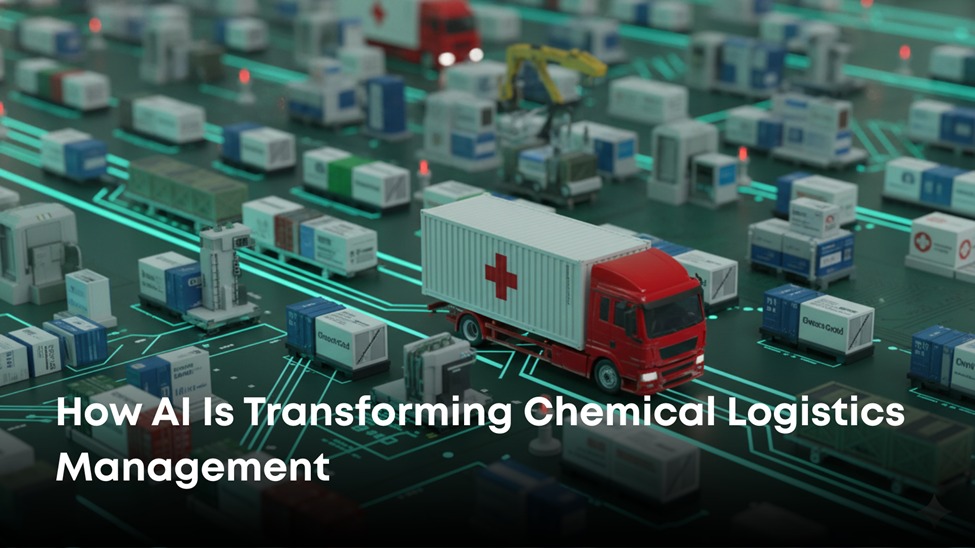
Chemical logistics involving transport, storage and handling of chemical materials presents such challenges as management of hazardous materials, compliance requirements, and volatile global supply chains. AI solutions are transforming this intricate ecosystem currently through enhanced predictive accuracy, operational safety, and decision-making effectiveness.
In 2025, embracing AI-based strategies has become a competitive imperative rather than an ambitious vision of the future. With predictive analytics, real-time monitoring, and automation, AI enables businesses to turn logistics pinch points into platforms for ongoing improvement.
Predictive Analytics: From Reaction to Proaction
At the heart of AI’s revolution lies predictive analytics, a game-changer in chemical logistics. By analyzing historical and real-time data related to demand, supply, and external factors such as weather or geopolitical shifts, AI platforms can accurately forecast demand fluctuations. This allows chemical firms to:
Optimize chemical dispatch operations by improving vehicle scheduling, load planning, and transporter coordination.Plan carrier capacity in advance to prevent shipment delays, hazardous chemical transportation safety through continuous vehicle monitoring, route compliance, and journey risk management.
Machine learning systems also give early alerts for raw material deficits and predict delays in transportation so that there is continuity in worldwide supply chains.
Smarter and Safer Transportation of Hazardous Materials
AI enhances compliance and safety in transporting hazardous materials, a critical component of chemical logistics. Route optimization software powered by AI looks into several variables like material, weather conditions and traffic to facilitate the safest and most efficient route choice.
Major breakthroughs are: AI-powered route optimization that helps transporters select safer and more efficient routes. Real-time tracking and journey risk management that provide continuous visibility into hazardous chemical shipments. Driver behavior analysis using GPS-enabled camera vision systems to monitor fatigue, over-speeding, distraction, and unsafe driving patterns in real time.
All these functions dramatically boost international transport regulation compliance along with safeguarding human lives and the environment.
AI-Driven Logistics Visibility and Operational Control
Chemical logistics requires constant visibility into shipment movements, vehicle status, compliance requirements, and transportation risks. AI-powered platforms enable real-time monitoring of logistics operations, helping companies improve decision-making and respond quickly to disruptions.
Impacts are:
Enhanced end-to-end visibility across the chemical transportation network. Faster identification and resolution of shipment delays and logistics exceptions. Improved compliance through automated monitoring and digital verification processes. Better coordination between plants, transporters, warehouses, and customers. Increased operational efficiency through data-driven logistics planning and control.
AI-Augmented Supply Chain Visibility
Visibility is critical in chemical logistics, where downtime can incur expensive delays or compliance issues. AI offers real-time shipment tracking with predictive warnings for anticipated delays or anomalies.
Through the implementation of IoT sensors, telematics, and cloud-based TMS (Transport Management Systems), decision-makers are able to:
Track products from plant to customer with complete transparency. Monitor temperature variances in sensitive shipments. Automatically respond via an AI-powered decision engine to divert or reschedule.
This real-time insight improves both operational efficiency and customer confidence.
Sustainable and Cost-Effective Operations
Environmental performance in the chemical sector is under close scrutiny. AI leads to sustainability in that it:
Lessens fuel consumption through route optimization. Reduces operational inefficiencies through real-time shipment visibility, route compliance monitoring, and proactive exception management; helps reduce transportation-related emissions through optimized routing, lower idle time, and improved vehicle utilization.
AI-powered sourcing platforms evaluate supplier sustainability performance, allowing companies to select environmentally friendly partners without sacrificing cost or quality.
AI-Powered Loading and Dispatch Management
Loading and dispatch operations are among the most critical stages in chemical logistics, where delays, documentation errors, and process bottlenecks can impact delivery schedules and transportation safety. AI is helping chemical companies streamline these operations through intelligent automation and real-time process visibility.
By integrating loading schedules, vehicle availability, documentation checks, and dispatch workflows, AI-powered platforms help ensure that shipments move efficiently from plant to destination.
This enables organizations to:
Automate shipment readiness checks before vehicle dispatch. Improve loading slot planning and vehicle allocation. Reduce vehicle waiting times at loading bays and dispatch points. Digitally verify shipment, driver, and vehicle documentation before movement. Monitor dispatch performance and identify operational bottlenecks in real time.
This improves dispatch reliability, reduces turnaround times, and helps maintain compliance across chemical transportation operations.
AI-Powered In-Plant Logistics and Dispatch Management
In chemical logistics, operational efficiency begins long before a shipment enters transit. Vehicle movement within manufacturing facilities, loading operations, documentation checks, and dispatch readiness all play a critical role in ensuring safe and timely deliveries.
AI-powered logistics platforms help chemical manufacturers digitize and automate these processes through intelligent workflow management and real-time operational monitoring. By connecting loading operations, vehicle movement, weighbridge activities, and dispatch workflows, organizations can improve control over outbound logistics operations.
Advantages:
Improved visibility into vehicle movement within plant premises and streamlined loading and dispatch workflows through process automation. faster verification of shipment, vehicle, and driver documentation, better utilization of loading bays and dispatch infrastructure; and reduced operational bottlenecks through real-time monitoring of logistics activities.
This enables chemical companies to improve dispatch readiness, strengthen process control, and ensure the efficient movement of products from plant to customer.
Business Impact of AI in Chemical Logistics
The adoption of AI in chemical logistics is helping organizations gain greater control over transportation operations, compliance management, and logistics execution. By digitizing traditionally manual processes and improving access to real-time operational data, AI enables logistics teams to make faster and more informed decisions.
Key areas of impact include:
Improved visibility into shipment movements and transportation activities and better monitoring of compliance requirements across vehicles, drivers, and shipments. More efficient management of dispatch, loading, and transportation workflows. Faster identification of operational exceptions and transportation risks. Improved collaboration between manufacturing plants, transporters, and logistics service providers through digitized workflows.
As chemical supply chains continue to grow in complexity, AI-powered logistics platforms provide the operational intelligence needed to support safer and more efficient logistics management.
Conclusion: Building More Reliable Chemical Logistics Operations with AI
Chemical logistics demands far more than moving products from one location to another. Managing hazardous materials, ensuring regulatory compliance, coordinating transport operations, maintaining shipment visibility, and minimizing operational disruptions all require precise execution at every stage of the logistics journey.
AI is helping chemical companies address these challenges by bringing greater visibility, automation, and control to logistics operations. From optimizing dispatch planning and monitoring hazardous shipments in transit to digitizing compliance workflows and streamlining in-plant logistics processes, AI enables logistics teams to make faster and more informed decisions.
As chemical manufacturers face increasing regulatory requirements, tighter delivery schedules, and growing operational complexity, AI-driven logistics platforms will play an increasingly important role in ensuring safe, compliant, and efficient transportation operations.