
If you’ve ever stood inside a busy manufacturing plant or logistics hub, you already know that chaos loves company. Trucks line up at gates, drivers grow impatient waiting for dock assignments, and yard operators try to make sense of it all—usually over the radio or an overloaded spreadsheet.
I’ve seen it too many times: one small delay snowballs into a full-blown congestion crisis.
That’s where automated yard management steps in. Not as another fancy tech buzzword, but as a practical solution that actually makes life easier for everyone trying to keep things moving. Let’s break down how it works and why it’s becoming a quiet game changer for plants struggling with congestion and productivity.
The Yard: The Hidden Bottleneck
Most people think the warehouse floor is where the magic happens. But more often than not, the yard—the space between the gates, docks, and warehouse doors—is where things slow down first.
Without the right visibility, it’s like managing traffic without traffic lights. Drivers arrive earlier or later than expected, trailers get “lost” somewhere in the yard, and staff scramble to figure out what’s where. I’ve seen facilities lose entire shifts just trying to locate the right trailer for outbound loads.
Meanwhile, dock doors sit idle and production keeps waiting.
So, What Exactly Is Automated Yard Management?
In simple terms, automated yard management uses sensors, IoT devices, and intelligent software to orchestrate how everything moves in and out of a plant. Think of it as a digital traffic controller that never sleeps, never gets distracted, and can see every vehicle at once.
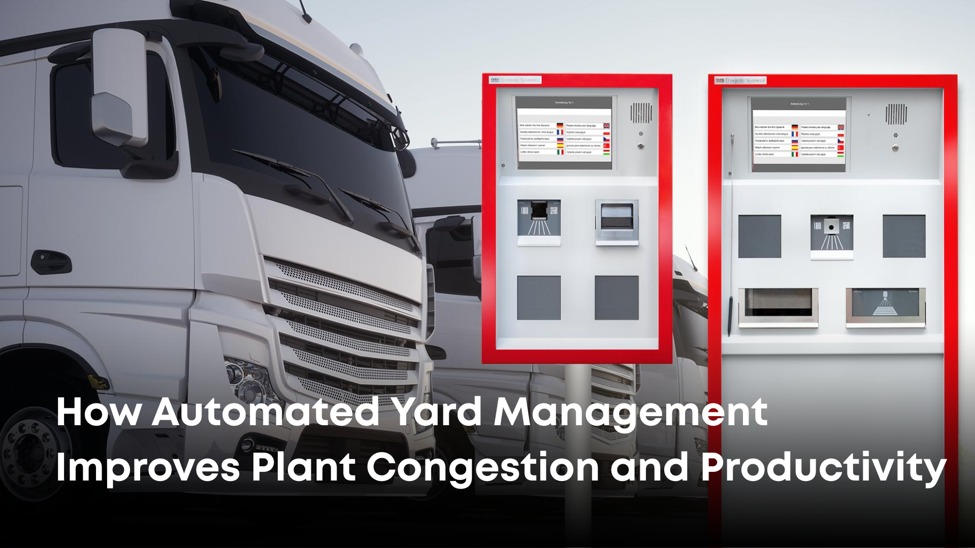
Instead of spreadsheets or phone calls, the system automatically tracks vehicles, assigns dock doors, and optimizes trailer movements based on real-time priorities. Drivers can check in through kiosks or apps, yards get instant updates on arrivals, and dispatchers finally have a clear picture of what’s actually happening—not just what they think is happening.
You might assume this is something only large corporations can afford. But even mid-sized manufacturers are adopting it because the ROI shows up quickly. When you cut idle time and confusion, the numbers start to make sense fast.
Cutting Congestion Before It Starts
Here’s the thing about congestion: it’s not just about having too many trucks. It’s about poor timing.
Manual scheduling almost always creates peaks and dead spots. Automated systems, on the other hand, smooth out the flow.
And it’s not just about moving faster—it’s about moving smarter. When congestion drops, safety improves too. Fewer random movements in the yard mean fewer chances for human error or accidents.
Boosting Productivity Beyond the Yard
What’s interesting is how automated yard systems impact the entire operation. Once you have real-time yard visibility, warehouse teams can plan better. Production schedules can sync with inbound supply arrivals. Dispatch teams can assign outbound loads without guesswork.
I remember a logistics manager once telling me, “We used to lose half a day just trying to figure out which trailer was ready to ship. Now the system tells us before we even ask.”
That shift from reactive to predictive is where the real productivity gains begin.
Yard automation also frees people to focus on higher-value work. Instead of managing chaos, they’re managing strategy. Dock supervisors can focus on throughput, maintenance teams can handle preventive checks, and planners can analyze data rather than constantly firefighting.
Better Data, Better Decisions
If you’re in manufacturing or logistics, you already know how important data is. But traditionally, yard data has been messy half handwritten notes, half guesswork.
Automated systems clean that up. You can clearly see patterns over time: which carriers arrive on schedule, which gates slow things down, and when dwell times spike.
It’s often eye-opening. You start to realize how much of your yard’s congestion is caused by predictable, fixable issues. With AI-powered analytics, the system can even suggest better scheduling models or layout improvements.
This is where automation really stands out. It doesn’t just make today smoother—it helps you plan smarter for tomorrow.
Tackling Human Resistance
Let’s be honest change isn’t easy.
Whenever automation is introduced, people worry about job security or the effort required to learn something new. I’ve seen this firsthand, and it’s a valid concern.
But the reality is that good yard management systems augment people—they don’t replace them. They provide clarity, control, and relief from repetitive, stressful tasks.
Once teams see the benefits—less radio chatter, fewer escalations, fewer angry calls—they usually come around quickly. In fact, I’ve seen experienced yard managers who once relied on clipboards become strong advocates after seeing the system in action.
Real-World Wins
There’s no shortage of success stories.
One automotive plant reduced trailer dwell time by nearly 30% within three months. A food manufacturer cut overtime costs in half because their dock scheduling finally aligned with production cycles.
And drivers benefit too—less waiting, faster turnaround times, and fewer mix-ups.
When you streamline the chaos, everyone wins.
Conclusion
Automated yard management may sound like a technology upgrade, but it’s really a mindset shift.
It’s about recognizing that spreadsheets and guesswork have limits, and that visibility and precision are the next steps toward better productivity.
If you’ve ever walked through a yard on a hectic Monday morning, you’ve felt the congestion, the frustration, the unpredictability.
But when you see a well-automated yard in motion, it feels different. Trucks move in and out smoothly, docks operate efficiently, and everything just flows.
And maybe that’s the real value. It’s not just about technology—it’s about giving people space to breathe again.
Because when the yard runs smoothly, the entire operation finds its rhythm.