
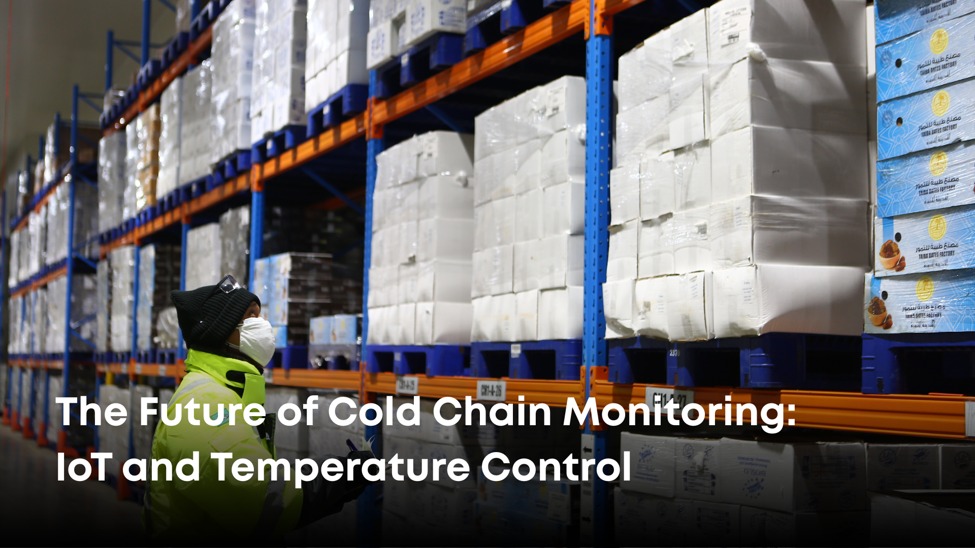
The cold chain industry is evolving faster than ever, and the Internet of Things (IoT) is at the heart of this transformation. From pharmaceuticals to food distribution, real-time monitoring and smart temperature control are redefining safety, compliance, and efficiency. Here’s a detailed look at how IoT is shaping the future of cold chain monitoring in 2025 and beyond.
Understanding Cold Chain Monitoring
Cold Chain Explained
The cold chain is a temperature-controlled supply network that ensures perishable goods remain within specific temperature ranges throughout transportation and storage.
Why It Matters
Even a slight temperature fluctuation can spoil products or make them unsafe. Consistent monitoring is therefore critical for maintaining compliance and product quality.
The Role of IoT in Cold Chain Monitoring
Smart Sensors
IoT sensors record temperature, humidity, and door openings in real time. This data is automatically transferred to cloud platforms, where it can be analyzed and acted upon instantly.
GPS and Connectivity
GPS-integrated IoT devices track shipments globally, providing visibility at every stage of the journey, from warehouse to store shelves.
Automation and Alerts
Automated alerts are triggered when temperatures deviate from set thresholds. This enables rapid corrective action and minimizes product loss.
Key Benefits of IoT-Enabled Cold Chain Systems
Real-Time Monitoring
Continuous tracking ensures supply chain integrity and allows for quick responses to temperature deviations.
Enhanced Traceability
Each product’s journey is digitally recorded, ensuring transparency and compliance with global regulatory standards.
Reduced Wastage
Real-time intervention prevents spoilage, saving millions annually across industries.
Operational Efficiency
Automated data collection reduces human error, eliminates paperwork, and optimizes logistics operations for end-to-end visibility.
Future-Forward Technologies Driving Change
Artificial Intelligence (AI) and Predictive Analytics
Predictive models analyze historical and real-time data to forecast potential temperature issues. This enables proactive maintenance of refrigeration equipment and smarter route optimization to avoid delays.
Blockchain for Transparency
Blockchain-secured data ensures that temperature logs and handling records cannot be altered. This strengthens compliance and builds trust across suppliers and end users.
Edge Computing and 5G Networks
Edge computing processes data locally, reducing latency and enabling instant decision-making during transport. With 5G, sensor data moves faster and more reliably, even in remote areas.
Battery-less IoT Tags and LPWAN
Energy-harvesting devices and low-power wide-area networks (LPWAN), such as LoRaWAN, reduce maintenance requirements and enable long-term, cost-effective tracking.
Industry-Specific Applications
Pharmaceuticals
Ensures that vaccines, biologics, and other temperature-sensitive drugs maintain their efficacy from production to administration.
Food and Beverage
Prevents spoilage and foodborne illnesses by maintaining consistent cold temperatures during transit and storage.
Chemicals
Supports the safe handling of volatile materials that require strict environmental controls.
Sustainability and Green Innovations
Eco-Friendly Packaging
Companies are developing recyclable and insulated packaging solutions that reduce environmental impact while maintaining thermal protection.
Energy-Efficient Systems
IoT helps optimize refrigeration energy usage, reducing carbon emissions and operational costs.
Market Growth and Global Trends
The IoT-powered cold chain monitoring market is expected to grow from USD 8 billion in 2025 to USD 29.6 billion by 2035, at a CAGR of 11.8%.
This growth is driven by increased global trade, stricter regulatory standards, and the expansion of the healthcare sector following the pandemic.
Companies are increasingly focusing on AI-driven insights, cloud integration, and global interoperability to build efficient, data-driven supply chains.
Challenges and the Road Ahead
Data Security
With large volumes of real-time data being shared globally, cybersecurity remains a key concern.
Integration Complexity
Integrating legacy systems with modern IoT solutions can be challenging, particularly for smaller organizations.
Skill Gaps
Cold chain operators need to upskill their teams in data management, IoT analytics, and automation tools.
Despite these challenges, the future of cold chain monitoring powered by IoT promises unprecedented accuracy, efficiency, and sustainability across industries.
Conclusion
The future of cold chain monitoring lies in intelligent automation powered by IoT, AI, and predictive analytics. These technologies ensure temperature precision, reduce product waste, and optimize logistics operations, paving the way for a more sustainable and transparent supply chain.
Organizations that adopt IoT-integrated cold chain systems today will not only meet future compliance and sustainability goals but also gain a strong competitive advantage in a rapidly evolving global market.